Who Gets to Correct the Record?

PIXIE, institutional memory, and the right to answer back.
“You didn’t ask me for browser access to Sifa.”
That was my correction to the AI assistant helping me develop this project.
A browser tool had reported an access denial. Its message attributed that denial to the user. The assistant repeated the account in a way that suggested I had declined permission.
But it had never asked me.
The access problem was real. The explanation of my involvement was unsupported. A tool report had become a decision attributed to me.
That matters because these explanations travel. A summary can become the next session’s starting point. A proposed detail can become something the assistant thinks we established. The person doing the work can end up spending more time correcting the account than moving forward.
This is part of why PIXIE’s narrative matters to me.
In the story development around PIXIE · Incident Review, a graduate student’s condition is interpreted by people who have power over what happens to her. A would-be rescuer’s feelings cloud his judgement. The question becomes whether he can hear an answer that complicates the rescue he wants to perform.
My earlier writing already explored an authority figure manipulating memories while trying to repair the consequences of his own intervention. The development process record connects that material to the newer scene and identifies details the assistant invented. Those additions need my continuity review; generated prose does not establish itself as canon.
A video overview of The Department of Truth brought another comparison into view. James Tynion IV and Martin Simmonds use conspiracy horror to explore belief, knowledge, and institutional control. In the fictional premise, collective belief can change reality.
That gives me a way to examine a familiar concern: who gets to describe what happened, and what power does that description acquire?
This is a comparison I am making now. It does not establish the comic as the origin of my earlier writing, or turn events in our development process into evidence of a conspiracy.
I use AI to connect material, learn, and turn ideas into something I can examine. That makes correction part of the working relationship. When an assistant speaks about my choices, it needs to distinguish what I said from what its tools reported and what it inferred.
Here is how I intend us to handle that as the project develops:
- Keep the source attached. Identify what came from my writing, an external source, a tool result, an interpretation, or a generated proposal.
- Describe access failures precisely. A failed request establishes a retrieval problem. Attributing a refusal to me requires evidence of my decision.
- Keep canon under creator review. New dialogue, motives, events, and relationships remain proposals until I accept them.
- Make meaningful corrections visible. State what was wrong, what changed, and why the correction matters. Carry that correction into subsequent summaries.
- Separate visibility from permission. A public record can be discoverable without authorizing every reuse. Private sharing needs its own explicit choices.
That last point connects to our recent Sifa conversation. Made Sick’s published-work lookup now reads existing public Standard.site documents and links to their sources. It does not publish a private CV or provide permissioned Spaces. Sharing with a particular recipient, expiry, and revocation of future access remain questions for further development—not capabilities we have already delivered.
These are commitments for how we document and build the work. They still need consistent implementation and testing.
PIXIE’s story gives us room to explore what happens when help becomes authority. Building the project gives us opportunities to examine our own decisions.
The person at the centre needs a way to answer back—and that answer needs to change what happens next.
References
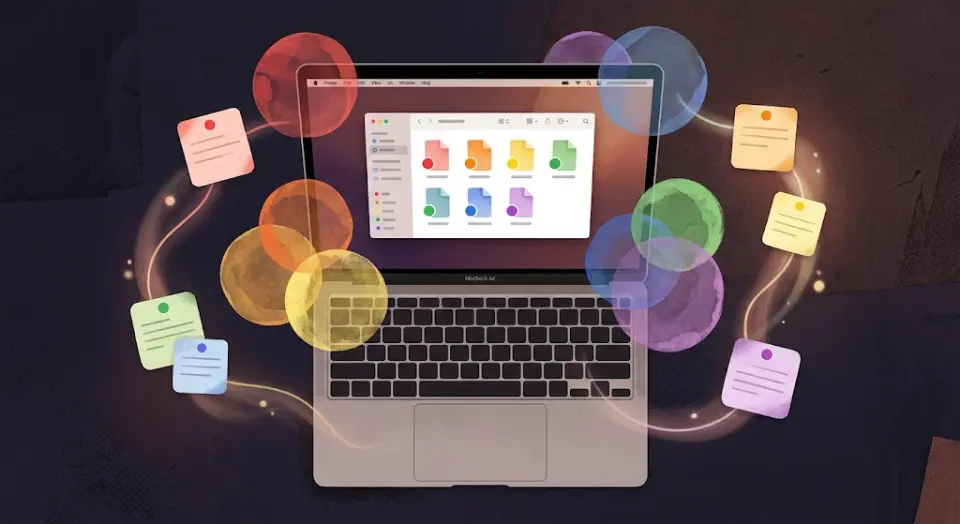
Draft prepared with AI assistance from my direction and corrections in this conversation. The promotional image is AI-generated symbolic artwork, not a depiction of the actual incident or comic artwork. Prepared October 22, 2026; not published.